Why Home Workouts Are Becoming Popular in the USA
A Full Body Workout is one of the most effective ways to improve overall fitness by training all major muscle groups in a single session. This workout style saves time while delivering excellent results for strength, endurance, and fat loss. Whether you are a beginner or an experienced fitness enthusiast, a full-body routine helps maintain balance, prevent muscle imbalances, and boost metabolism. By combining strength training, cardio exercises, and functional movements, you can enhance flexibility and coordination. A well-structured plan also supports muscle growth and promotes weight loss when done consistently. Full body workouts are ideal for busy schedules, offering maximum benefits with fewer training days each week.
No Gym? No Problem, Get Fit at Home
The good news? You don’t need expensive equipment or a private coach to get fit. With just your body weight and consistency, you can sculpt, tone, and transform your physique, all from your living room.
What You’ll Learn in This Guide
Let’s dive into 2025’s most effective at-home fitness strategies, from HIIT workouts to morning routines and weight loss plans, that are trending across the USA.
Set the Mood: Creating Your Home Gym Space
Before you begin any workout, create a space that motivates you. Find a spot with good air circulation and enough room to stretch freely. You don’t need a full gym setup; even a yoga mat and resistance bands will do the job.
Add Inspiration to Your Space
Add a touch of inspiration, such as some upbeat workout playlists or a motivational quote like “Strong Today, Stronger Tomorrow.” Small details like these help keep your energy high and your workouts consistent.
The Power of Bodyweight Training
Bodyweight training remains one of the most effective and affordable ways to stay fit. It engages multiple muscle groups simultaneously, improving coordination, balance, and strength.
Essential Bodyweight Exercises
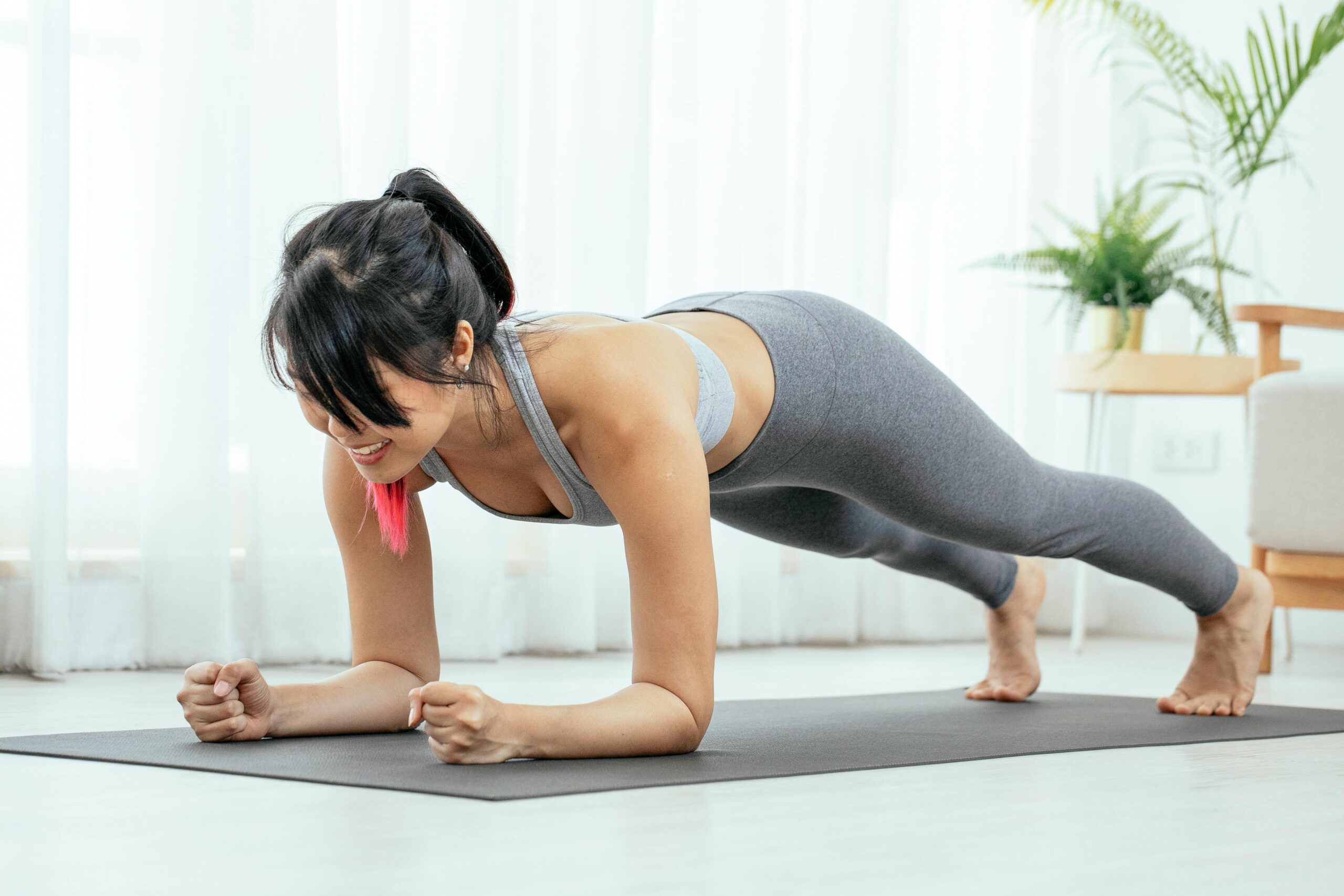
Exercises like push-ups, squats, planks, and lunges are perfect starting points. These moves don’t just tone your muscles; they also boost endurance and flexibility. The best part is you can adjust the intensity simply by adding more reps or increasing your pace.
Why Full Body Workouts Work So Well
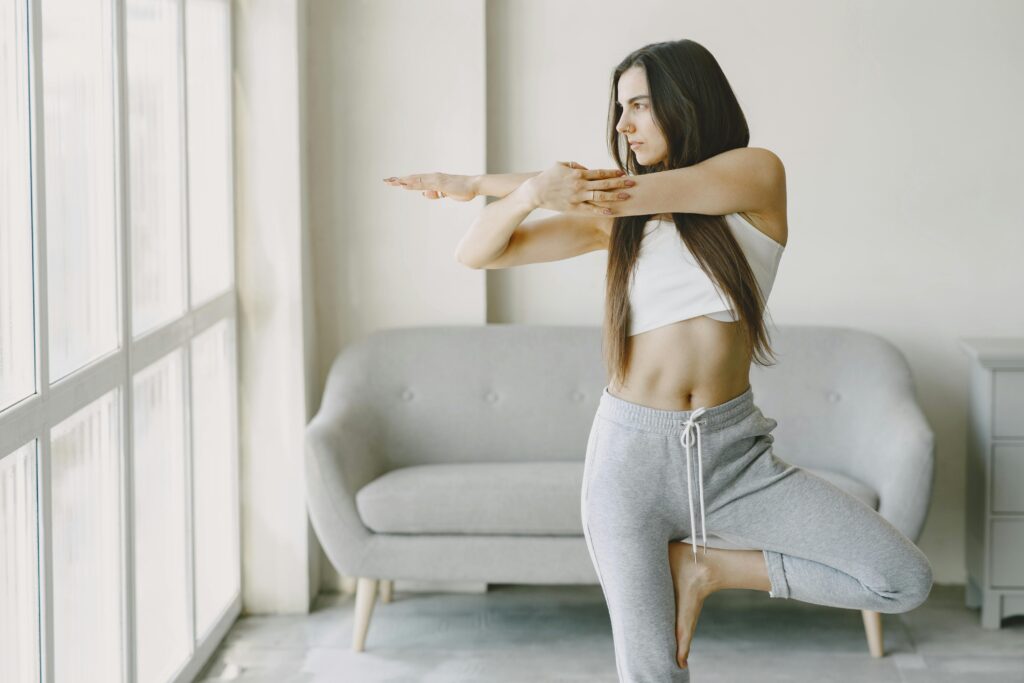
Unlike isolation workouts that target only one muscle at a time, full-body workouts engage your entire system. When you do a squat combined with a shoulder press, for instance, you’re activating your legs, core, and upper body all at once, maximizing calorie burn.
Benefits of Full Body Training
This holistic approach improves both strength and metabolism. For busy Americans who can’t spend hours at the gym, full-body training provides results faster and more efficiently.
HIIT Workouts: Maximum Burn in Minimum Time
High-Intensity Interval Training (HIIT) is a favorite across the USA, especially for those juggling work and family. HIIT alternates short bursts of intense activity with brief rest periods, helping you torch fat and build stamina in record time.
Sample HIIT Routine
- 30 seconds of burpees
- 20 seconds rest
- 30 seconds of jumping squats
- 20 seconds rest
- 30 seconds of mountain climbers
Repeat this cycle 4–5 times, and you’ve completed a powerful, full-body workout in under 15 minutes.
Morning Workout Routine: Start Strong, Stay Motivated
Morning workouts aren’t just about fitness; they set the tone for your entire day. Exercising right after you wake up helps boost metabolism, improves focus, and releases endorphins that make you feel happier.
Quick Morning Routine
- 10 Jumping Jacks
- 10 Push-ups
- 20 Squats
- 30-second Plank
Repeat twice. Keep it consistent. Over time, your mornings will feel incomplete without that energizing session. sweat session.
Fitness Motivation: Staying on Track

Let’s be honest, motivation fluctuates. One day, you’re ready to conquer the world; the next, you’d rather stay under the covers. The trick is to focus on discipline over motivation.
Tips for Staying Consistent
Define achievable goals, monitor your journey, and appreciate every milestone you reach. Use fitness apps or journals to keep yourself accountable. Remember, even 10 minutes of movement is better than none. In the USA’s fast-paced lifestyle, consistency is your real superpower.
The Best Exercises for Beginners
Starting out? No worries! Everyone begins somewhere. These beginner-friendly exercises are safe, effective, and require no equipment:
Beginner-Friendly Exercise List
- Bodyweight Squats – Strengthens legs and glutes
- Modified Push-ups – build chest and arm strength
- Plank Holds – Strengthens your core
- Lunges – Improves balance and tones legs
- Glute Bridges – Great for your lower back and hamstrings
Do 2 sets of 10–12 reps each, resting 30 seconds between exercises. Focus on form rather than speed.
Building a Weight Loss Workout Plan at Home
If weight loss is your goal, combine strength moves with cardio intervals. Here’s a sample plan:
Sample Weight Loss Workout
- Jump Rope – 1 minute
- Push-ups – 15 reps
- Squats – 20 reps
- Mountain Climbers – 30 seconds
- Plank – 30 seconds
Repeat this 3–4 times. Pair it with a balanced diet, and you’ll start noticing changes in a few weeks.
Pro Tip for Tracking Progress
Track your progress using photos or measurements rather than just the scale.
Stretching: The Unsung Hero of Fitness
After every workout, dedicate at least five minutes to stretching. It helps improve flexibility, reduce soreness, and prevent injury.
Key Areas to Stretch
Focus on major muscle groups such as hamstrings, shoulders, and back. Gentle yoga poses like Child’s Pose and Cat-Cow can help your body relax while enhancing mobility.
Nutrition: Fuel for Performance
Exercise alone isn’t enough. What you eat determines how your body performs and recovers. Prioritize lean proteins, complex carbs, and healthy fats.
USA-Friendly Meal Options
- Breakfast: Oatmeal with berries
- Lunch: Grilled chicken with quinoa
- Dinner: Salmon with steamed veggies
- Snacks: Almonds or Greek yogurt
Hydration Tips
Hydration is key. Ensure adequate hydration by consuming around eight glasses of water per day.
The Rise of Virtual Fitness Classes in the USA
2025 has seen an explosion of virtual fitness platforms. From Peloton to Beachbody on Demand, Americans are embracing online workout programs for flexibility and affordability.
Benefits of Virtual Classes
You can follow guided sessions, join live classes, or even connect with friends for accountability. The beauty is that you can train with top USA trainers from the comfort of your home.
Using Household Items as Workout Tools
No dumbbells? No problem! Get creative. Use water bottles as light weights, a sturdy chair for step-ups, or a towel for resistance training.
Resourceful Fitness Tips
This approach proves that fitness doesn’t have to be expensive, just resourceful. Many fitness influencers across the USA showcase “no-equipment hacks” that deliver real results.
Rest and Recovery: The Secret Ingredient
Your body builds muscle while resting, not during workouts. Make sure you get 7–8 hours of quality sleep every night. On rest days, try light stretching or a walk outside.
Why Recovery Matters
Ignoring recovery can lead to fatigue and injury. Treat your rest days as sacred; they’re part of your fitness plan, not a break from it.
Outdoor Workouts: Fresh Air, Fresh Energy
When the weather’s nice, take your workout outdoors. USA parks and beaches are perfect for running, yoga, or resistance band sessions.
Benefits of Outdoor Exercise
Outdoor exercise boosts vitamin D levels and mental clarity. It’s also a refreshing way to break your indoor routine, and it’s free.
HIIT vs. Steady-State Cardio: Which Wins?
Both have their place. HIIT burns calories fast and builds endurance, while steady-state cardio (like brisk walking or cycling) improves heart health and stamina.
Finding the Right Balance
For best results, mix both during the week. Two HIIT sessions and two moderate-cardio days can help maintain a balanced routine.
Mind–Body Connection: The Mental Benefits of Fitness
Working out benefits not only your body but also your mind. Physical activity reduces stress, anxiety, and depression by releasing “feel-good” hormones.
Quick Mood Boosters
When you’re feeling low, even a short walk or quick stretch can reset your mood. Many Americans now view fitness as self-care, not punishment; a mindset shift that’s here to stay.
Tracking Your Progress
Use a fitness tracker, smartwatch, or a simple notebook. Track your steps, calories, and daily fitness stats to stay on goal. Tracking keeps you motivated and shows how far you’ve come.
Focus on Yourself
Don’t compare your journey with others; everyone’s progress is different. Focus on consistency and self-improvement.
Incorporating Music for Motivation
Music is a powerful workout companion. Create playlists with upbeat songs that match your workout intensity. Studies show that listening to energetic tracks increases endurance and reduces fatigue.
USA Workout Playlist Tips
Platforms like Spotify offer curated USA workout playlists that keep you pumped through every rep.
Making Fitness a Family Affair
Get everyone involved. Whether it’s a weekend walk, a dance session, or a friendly push-up contest, exercising with family makes fitness fun and sustainable.
Family Fitness Benefits
Kids learn healthy habits early, and you get built-in accountability partners. Fitness is always better together.
Consistency: The True Key to Success
You don’t need perfection, you need persistence. Showing up every day, even for a short session, is what builds lasting change.
Start Small, Stay Steady
The key isn’t having time; it’s choosing to make time for your goals. Start small, stay steady, and soon you’ll see how powerful home workouts can be.
Final Thoughts: Your Fitness Journey Starts Now
Fitness isn’t a destination; it’s a lifestyle. Whether you’re doing HIIT workouts, following a morning routine, or creating your first weight loss workout, what truly matters is that you start.
Your 2025 Fitness Mindset
From one American fitness enthusiast to another: your home is your gym, your body is your tool, and your mindset is your magic. Let’s make 2025 the year of a stronger, healthier, and happier you!
FAQs
Q1: How long should a full-body workout at home be?
Aim for 30–45 minutes, including warm-up and cooldown. HIIT sessions can be shorter but more intense.
Q2: Can beginners do HIIT workouts?
Yes! Start slow with low-impact moves like step touches or modified burpees.
Q3: How many days a week should I work out?
For general fitness, 4–5 days per week is ideal. Mix strength, cardio, and rest days.
Q4: Do I need equipment for home workouts?
Not at all. Your bodyweight is enough, but resistance bands and dumbbells can help.
Q5: What’s the best time to work out, morning or evening?
Whichever fits your schedule! Many find morning workouts boost energy throughout the day.

Welcome to kingymab. online! I’m Muhammad Ali, an AI-Powered SEO and Content Writer with 4 years of experience. I help websites rank higher, grow traffic, and look amazing. My goal is to make SEO and web design simple and effective for everyone. Let’s achieve more together!